5th Edition of Global Conference on
Physical Medicine and Rehabilitation
September 20-22, 2027 | London, UK

Physical and Occupational Therapy
Physical and Occupational Therapy stand as pillars in the rehabilitation domain, each playing a crucial role in aiding individuals to regain, develop, and maintain the functional skills necessary for daily living and work. Physical therapy focuses on enhancing physical function through exercises, manual therapy, and modalities designed to alleviate pain and improve mobility. It's a journey through which patients overcome physical limitations, whether they stem from injury, surgery, or chronic conditions.
On the flip side, Occupational Therapy takes a broader approach, aiming to empower individuals across all ages to perform tasks and activities that are meaningful to them, despite physical, sensory, or cognitive limitations. This form of therapy is not just about physical well-being but also about adapting environments, modifying tasks, and teaching skills to promote independence in daily life.
Together, these therapies offer a comprehensive framework for recovery and adaptation, emphasizing patient-centered care that caters to the unique needs and goals of each individual. Whether recovering from injuries, managing chronic diseases, or adapting to life changes, Physical and Occupational Therapy provide the tools and guidance necessary for people to lead fuller, more active lives.
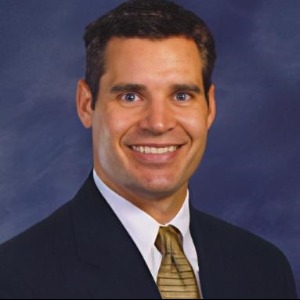
Matthew B Werd
American Academy of Podiatric Sports Medicine (AAPSM), United States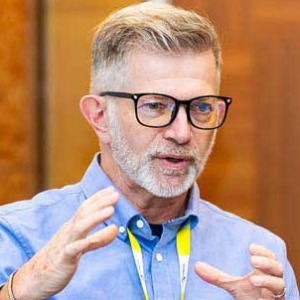
Ron Blehm
EEI Physio LLC, United States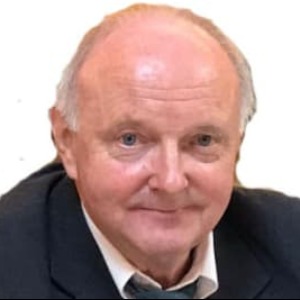
Bernd Blobel
University of Regensburg, GermanySubmit your abstract Today


Title : Better health starts from the ground up
Matthew B Werd, American Academy of Podiatric Sports Medicine (AAPSM), United States
Title : Today’s diagnosis versus tomorrow’s function: What is your focus?
Ron Blehm, EEI Physio LLC, United States
Title : Neuroimaging-based evaluation of scalp acupuncture for neural repair and reorganization in children with cerebral palsy
Zhenhuan Liu, Guangzhou University of Chinese Medicine, China
Title : Managing knowledge-based integration and interoperability in intelligent and ethical transformed health and social care ecosystems
Bernd Blobel, University of Regensburg, Germany
Title :
Elizabeta Popova Ramova, MIT University, Republic of North Macedonia