
5th Edition of Global Conference on
Physical Medicine and Rehabilitation
September 20-22, 2027 | London, UK

Amputee rehabilitation
Amputee rehabilitation is specialized branches of healthcare that focuses on helping individuals who have undergone limb amputation regain function, mobility, and overall independence. The rehabilitation process is comprehensive, addressing physical, psychological, and social aspects of recovery. Prosthetic limbs play a crucial role in restoring mobility, and amputee rehabilitation professional’s work closely with patients to ensure proper fit Therapies within amputee rehabilitation often include physical therapy to improve strength, flexibility, and balance, as well as occupational therapy to enhance daily living skills. Psychological support is integral, addressing emotional challenges and fostering resilience during the adaptation process. Goal-setting and personalized treatment plans are key components, allowing for a patient-centred approach to rehabilitation.Amputee rehabilitation teams may consist of prosthetics, physical and occupational therapists, psychologists, and social workers, working collaboratively to address the unique needs of each individual. Community reintegration is a significant focus, aiming to empower amputees to participate fully in daily activities and social interactions. On-going advancements in prosthetic technology and rehabilitation techniques continue to enhance the outcomes and quality of life for individuals navigating the journey of limb loss and recovery.
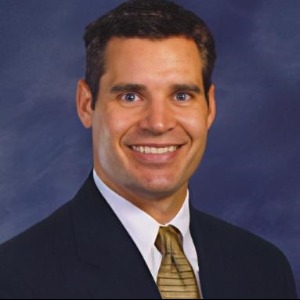
Matthew B Werd
American Academy of Podiatric Sports Medicine (AAPSM), United States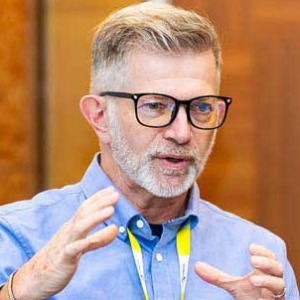
Ron Blehm
EEI Physio LLC, United States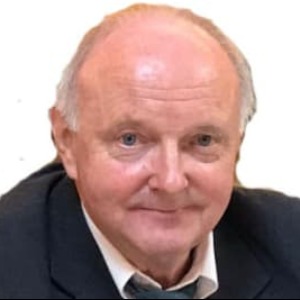
Bernd Blobel
University of Regensburg, GermanySubmit your abstract Today


Title : Better health starts from the ground up
Matthew B Werd, American Academy of Podiatric Sports Medicine (AAPSM), United States
Title : Today’s diagnosis versus tomorrow’s function: What is your focus?
Ron Blehm, EEI Physio LLC, United States
Title : Neuroimaging-based evaluation of scalp acupuncture for neural repair and reorganization in children with cerebral palsy
Zhenhuan Liu, Guangzhou University of Chinese Medicine, China
Title : Managing knowledge-based integration and interoperability in intelligent and ethical transformed health and social care ecosystems
Bernd Blobel, University of Regensburg, Germany