
5th Edition of Global Conference on
Physical Medicine and Rehabilitation
September 20-22, 2027 | London, UK

Covid 19 and post-acute rehabilitation
The COVID-19 pandemic has highlighted the importance of post-acute rehabilitation for individuals recovering from the virus. Many survivors experience lingering symptoms, known as long COVID, which can include fatigue, shortness of breath, and cognitive difficulties, necessitating a multidisciplinary approach to rehabilitation.Post-acute rehabilitation programs for COVID-19 survivors often involve physical therapists, respiratory therapists, occupational therapists, and other specialists. These programs focus on rebuilding strength, improving respiratory function, and addressing cognitive challenges that may persist after the acute phase of the illness.Exercise regimens are tailored to individual needs, considering the severity of the initial infection and the specific symptoms experienced during recovery. Pulmonary rehabilitation is a key component, aiming to restore lung function and alleviate respiratory symptoms.Psychological support is integral to post-acute COVID-19 rehabilitation, as survivors may face mental health challenges such as anxiety and depression. Therapists collaborate to address both physical and mental health aspects, promoting holistic recovery.
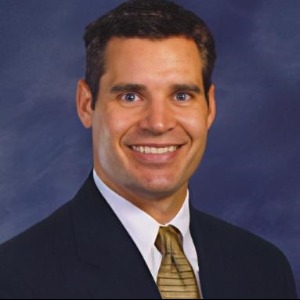
Matthew B Werd
American Academy of Podiatric Sports Medicine (AAPSM), United States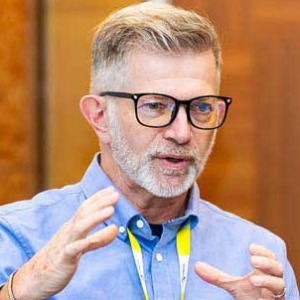
Ron Blehm
EEI Physio LLC, United States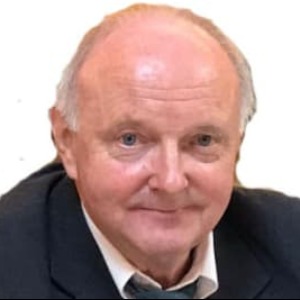
Bernd Blobel
University of Regensburg, GermanySubmit your abstract Today


Title : Better health starts from the ground up
Matthew B Werd, American Academy of Podiatric Sports Medicine (AAPSM), United States
Title : Today’s diagnosis versus tomorrow’s function: What is your focus?
Ron Blehm, EEI Physio LLC, United States
Title : Neuroimaging-based evaluation of scalp acupuncture for neural repair and reorganization in children with cerebral palsy
Zhenhuan Liu, Guangzhou University of Chinese Medicine, China
Title : Managing knowledge-based integration and interoperability in intelligent and ethical transformed health and social care ecosystems
Bernd Blobel, University of Regensburg, Germany
Title :
Elizabeta Popova Ramova, MIT University, Republic of North Macedonia