
5th Edition of Global Conference on
Physical Medicine and Rehabilitation
September 20-22, 2027 | London, UK

Musculoskeletal Injuries
Musculoskeletal injuries encompass a wide range of conditions affecting the bones, muscles, ligaments, tendons, and other elements of the musculoskeletal system. These injuries can result from various causes, including trauma, overuse, repetitive stress, and degenerative conditions. Understanding the nature of musculoskeletal injuries is crucial for effective prevention, management, and rehabilitation.
One common category of musculoskeletal injuries is fractures, which involve the breakage of bones. Fractures can occur due to sudden trauma, such as a fall, sports injury, or vehicular accident. The severity of fractures varies, ranging from hairline fractures to more complex fractures that may require surgical intervention. Proper diagnosis through imaging techniques like X-rays is essential for determining the extent of the injury and guiding appropriate treatment.
In summary, musculoskeletal injuries encompass a diverse range of conditions affecting bones, muscles, and other structures. Understanding the causes, types, and appropriate interventions for these injuries is essential for promoting overall musculoskeletal health and ensuring optimal outcomes in prevention, treatment, and rehabilitation. Degenerative conditions, such as osteoarthritis, also contribute significantly to musculoskeletal injuries. Osteoarthritis involves the gradual breakdown of joint cartilage, leading to pain, stiffness, and reduced joint function. This condition often develops over time due to aging, genetics, or joint overuse.
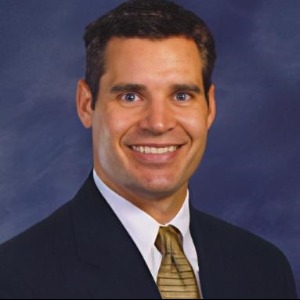
Matthew B Werd
American Academy of Podiatric Sports Medicine (AAPSM), United States
Ron Blehm
EEI Physio LLC, United States
Bernd Blobel
University of Regensburg, GermanySubmit your abstract Today


Title : Better health starts from the ground up
Matthew B Werd, American Academy of Podiatric Sports Medicine (AAPSM), United States
Title : Today’s diagnosis versus tomorrow’s function: What is your focus?
Ron Blehm, EEI Physio LLC, United States
Title : Neuroimaging-based evaluation of scalp acupuncture for neural repair and reorganization in children with cerebral palsy
Zhenhuan Liu, Guangzhou University of Chinese Medicine, China
Title : Managing knowledge-based integration and interoperability in intelligent and ethical transformed health and social care ecosystems
Bernd Blobel, University of Regensburg, Germany