
5th Edition of Global Conference on
Physical Medicine and Rehabilitation
September 20-22, 2027 | London, UK

Rehabilitation Exercises
Physical inactivity, is a leading cause or contributor to a number of chronic diseases, including type 2 diabetes, cardiovascular disease, and cognitive impairment. It also raises your chances of developing pain issues like back pain, arthritis, and chronic pain. Physical therapy is used to treat a variety of conditions, ranging from small aches and pains to significant injuries or surgery, as well as the progressive breakdowns of the human body. Pain relief, inflammation reduction, improved mood, anxiety reduction, and fatigue reduction are all benefits of rehabilitation exercise. It also helps with balance, falls prevention, and sleep quality. It relaxes muscles, aids focus, strengthens the immune system, and enhances bone health and sleep. The issue is that pain can be a huge deterrent to individuals exercising. Pain can also limit a person's ability to accomplish things that are important to them, such as playing with their children, engaging in physical activity, participating in sports, working, socialising, and doing housework. This, in turn, can have an impact on a person's physical and mental health. Physical inactivity, on the other hand, is a leading cause or contributor to a number of chronic diseases, including type 2 Diabetes, cardiovascular disease, and cognitive impairment. It also raises your chances of developing pain issues like back pain, arthritis, and chronic pain.
- Injury Recovery
- Rehabilitation Exercise and Pain
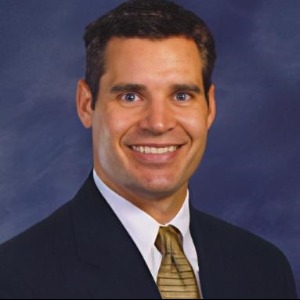
Matthew B Werd
American Academy of Podiatric Sports Medicine (AAPSM), United States
Ron Blehm
EEI Physio LLC, United States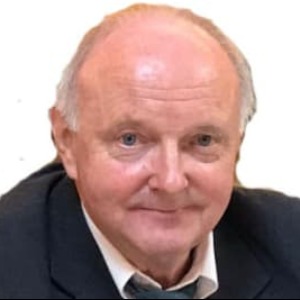
Bernd Blobel
University of Regensburg, GermanySubmit your abstract Today


Title : Better health starts from the ground up
Matthew B Werd, American Academy of Podiatric Sports Medicine (AAPSM), United States
Title : Today’s diagnosis versus tomorrow’s function: What is your focus?
Ron Blehm, EEI Physio LLC, United States
Title : Neuroimaging-based evaluation of scalp acupuncture for neural repair and reorganization in children with cerebral palsy
Zhenhuan Liu, Guangzhou University of Chinese Medicine, China
Title : Managing knowledge-based integration and interoperability in intelligent and ethical transformed health and social care ecosystems
Bernd Blobel, University of Regensburg, Germany