
5th Edition of Global Conference on
Physical Medicine and Rehabilitation
September 20-22, 2027 | London, UK

Clinical rehabilitation
Clinical rehabilitation refers to the specialized field of healthcare focused on restoring functional abilities and improving the quality of life for individuals with physical impairments or disabilities. This comprehensive approach involves the assessment, diagnosis, and treatment of patients with a wide range of conditions, including musculoskeletal injuries, neurological disorders, and chronic illnesses. Rehabilitation professionals, such as physical therapists, occupational therapists, and speech-language pathologists, work collaboratively to design individualized treatment plans. These plans often incorporate exercises, therapeutic activities, and assistive technologies to address specific impairments and promote independence. Clinical rehabilitation extends beyond physical aspects, considering the psychological and social dimensions of a patient's well-being. Emotional support, counselling, and patient education are integral components, fostering resilience and adaptation. Advances in technology, such as virtual reality and robotic-assisted therapies, are increasingly integrated into clinical rehabilitation to enhance treatment options. The goal is to maximize functional abilities, minimize disability, and empower individuals to participate fully in their daily lives.
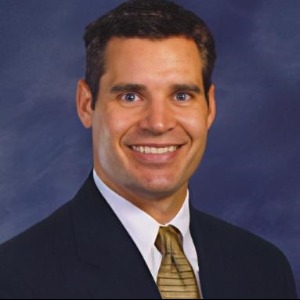
Matthew B Werd
American Academy of Podiatric Sports Medicine (AAPSM), United States
Ron Blehm
EEI Physio LLC, United States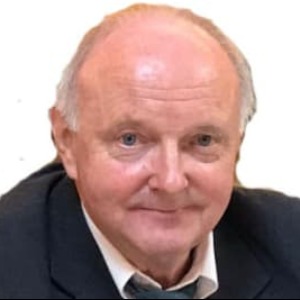
Bernd Blobel
University of Regensburg, GermanySubmit your abstract Today


Title : Better health starts from the ground up
Matthew B Werd, American Academy of Podiatric Sports Medicine (AAPSM), United States
Title : Today’s diagnosis versus tomorrow’s function: What is your focus?
Ron Blehm, EEI Physio LLC, United States
Title : Neuroimaging-based evaluation of scalp acupuncture for neural repair and reorganization in children with cerebral palsy
Zhenhuan Liu, Guangzhou University of Chinese Medicine, China
Title : Managing knowledge-based integration and interoperability in intelligent and ethical transformed health and social care ecosystems
Bernd Blobel, University of Regensburg, Germany
Title :
Elizabeta Popova Ramova, MIT University, Republic of North Macedonia