5th Edition of Global Conference on
Physical Medicine and Rehabilitation
September 20-22, 2027 | London, UK

Physiotherapists
Physiotherapists play a foundational role in physical medicine and rehabilitation by helping patients improve movement, restore function, and manage pain resulting from injury, illness, or disability. Their interventions are grounded in biomechanics and movement science, allowing them to tailor treatments that strengthen muscles, enhance joint mobility, and promote neuromotor control. Whether working with individuals recovering from orthopedic surgery, stroke, or chronic musculoskeletal conditions, physiotherapists assess each patient's limitations and create structured plans that support progressive functional gains.
The therapeutic modalities they employ range from manual therapy and therapeutic exercise to electrotherapy, hydrotherapy, and movement re-education. Physiotherapists also play an important role in injury prevention and long-term wellness, coaching patients on posture, ergonomics, and movement efficiency. In multidisciplinary rehabilitation settings, they collaborate closely with physicians, occupational therapists, and kinesiologists to align goals and optimize outcomes. Their guidance helps individuals regain independence in walking, balance, strength, and endurance—fostering self-sufficiency and improving overall quality of life.
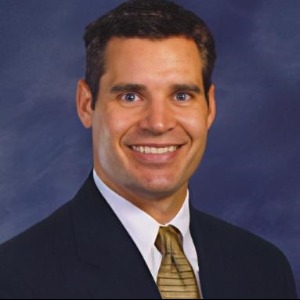
Matthew B Werd
American Academy of Podiatric Sports Medicine (AAPSM), United States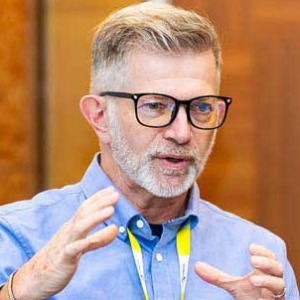
Ron Blehm
EEI Physio LLC, United States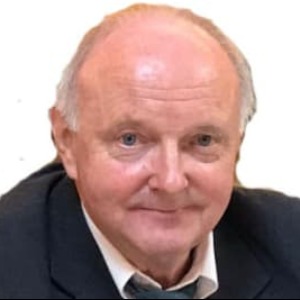
Bernd Blobel
University of Regensburg, GermanySubmit your abstract Today


Title : Better health starts from the ground up
Matthew B Werd, American Academy of Podiatric Sports Medicine (AAPSM), United States
Title : Today’s diagnosis versus tomorrow’s function: What is your focus?
Ron Blehm, EEI Physio LLC, United States
Title : Neuroimaging-based evaluation of scalp acupuncture for neural repair and reorganization in children with cerebral palsy
Zhenhuan Liu, Guangzhou University of Chinese Medicine, China
Title : Managing knowledge-based integration and interoperability in intelligent and ethical transformed health and social care ecosystems
Bernd Blobel, University of Regensburg, Germany
Title :
Elizabeta Popova Ramova, MIT University, Republic of North Macedonia